
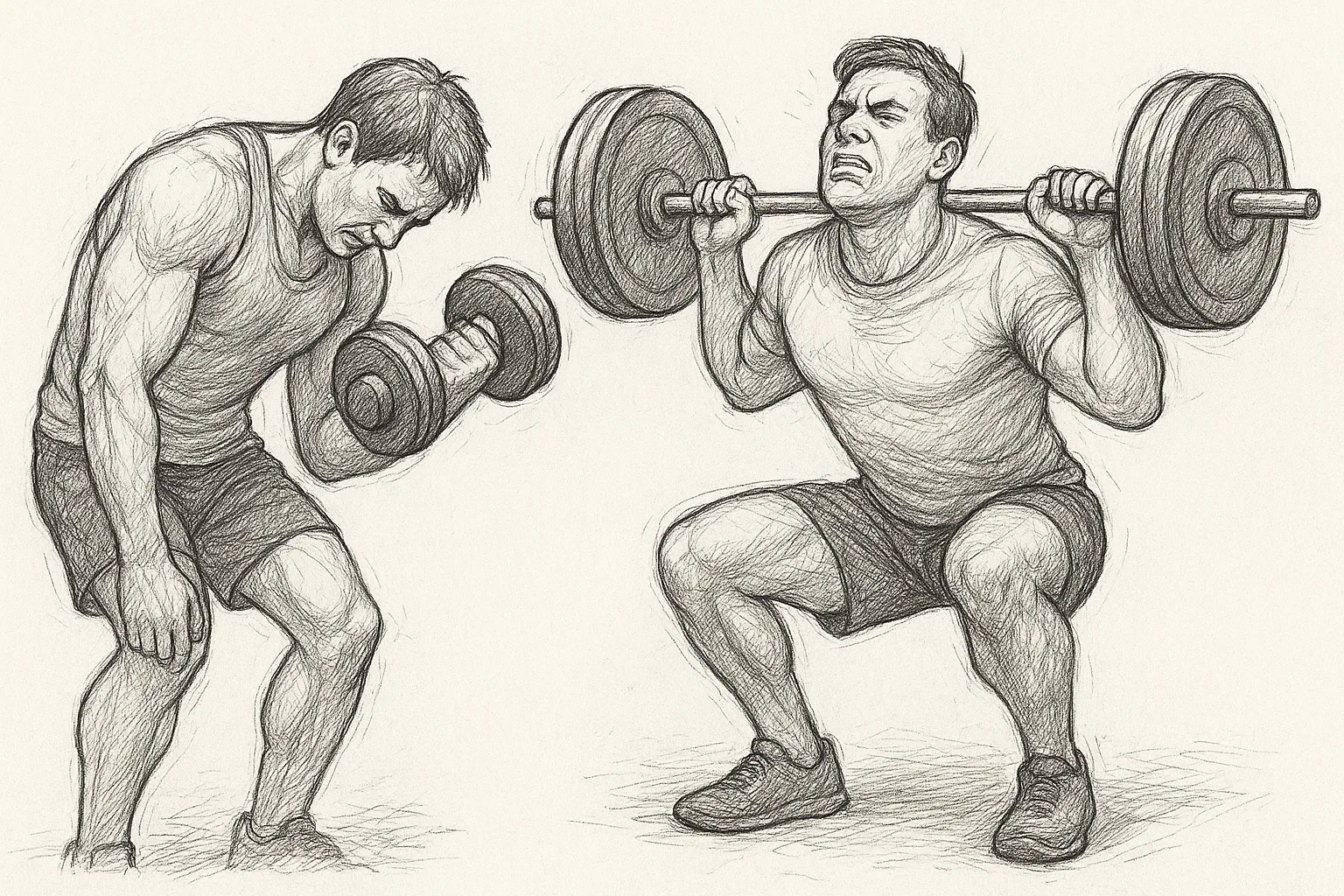
Strength Training Mistakes Beginners Often Make and How to Avoid Them
Starting strength training is an exciting step towards improving your health, fitness, and wellbeing. However, many beginners unknowingly make mistakes that can slow progress, cause frustration, or even lead to injury. The good news is that by understanding these common pitfalls, you can create a sustainable and effective strength training routine that fits your lifestyle and goals.
1. Skipping a Proper Warm-Up
One of the most overlooked parts of strength training is the warm-up. Jumping straight into lifting weights without preparing your body increases the risk of injury and reduces performance. A good warm-up increases blood flow to muscles, improves joint mobility, and primes your nervous system.
- Tip: Spend 5-10 minutes doing light cardio such as brisk walking or cycling, followed by dynamic stretches like leg swings, arm circles, or bodyweight squats.
- Benefit: This helps your body get ready for the workout ahead and reduces muscle stiffness.
2. Poor Technique and Form
Using incorrect form is a very common mistake among beginners. It can reduce the effectiveness of exercises and increase the chance of injury. For example, rounding your back during deadlifts or squats places unnecessary strain on your spine.
- Tip: Start with lighter weights or just bodyweight to master the movements before adding resistance.
- Tip: Consider working with a qualified trainer or using online resources with clear demonstrations.
- Benefit: Good form ensures you target the right muscles and build strength safely.
3. Lifting Too Heavy, Too Soon
Beginners often assume that lifting heavier weights leads to faster results. However, jumping into heavy lifting without building a base can cause injury and burnout.
- Tip: Follow the principle of progressive overload — gradually increase the weight or resistance over time as your strength improves.
- Tip: Use a weight that allows you to complete 8-12 repetitions with good form.
- Benefit: This approach promotes steady gains and reduces injury risk.
4. Neglecting Rest and Recovery
Strength training stresses your muscles, so rest and recovery are essential for growth and repair. Many beginners train too frequently or don’t give their bodies enough time to recover.
- Tip: Schedule at least 48 hours between training the same muscle groups.
- Tip: Prioritise sleep, hydration, and balanced nutrition to support recovery.
- Benefit: Proper recovery helps prevent overtraining and keeps motivation high.
5. Ignoring Balanced Muscle Development
Focusing only on certain ‘show’ muscles like biceps or chest while neglecting others can lead to muscle imbalances, poor posture, and injury risk. A balanced routine targets all the major muscle groups.
- Tip: Include exercises for legs, back, chest, shoulders, arms, and core.
- Tip: Incorporate compound movements such as squats, deadlifts, push-ups, and rows.
- Benefit: Balanced strength improves overall function and reduces injury risk.
6. Not Tracking Progress
Without tracking your workouts, it’s hard to know if you’re improving or need to adjust your routine. Many beginners rely on how they feel rather than measurable progress.
- Tip: Keep a simple workout journal or use an app to log exercises, weights, sets, and reps.
- Tip: Review your progress every few weeks and celebrate small wins.
- Benefit: Tracking helps maintain motivation and guides effective adjustments.
Common Myths About Strength Training
- Myth 1: “Strength training will make women bulky.” Reality: Women usually don’t produce enough testosterone to develop bulky muscles. Strength training promotes lean muscle, boosts metabolism, and improves bone health.
- Myth 2: “You need to spend hours in the gym.” > Reality: Even 20-40 minutes of focused training a few times a week can deliver significant benefits.
- Myth 3: “Cardio is enough for fitness.” > Reality: While cardio supports heart health, strength training builds muscle, improves metabolism, and supports joint health.
Step-by-Step Tips to Build a Sustainable Strength Training Habit
- Set Realistic Goals: Decide what you want to achieve — whether it’s more energy, better posture, or improved muscle tone.
- Create a Simple Routine: Start with 2-3 sessions per week focusing on full-body exercises.
- Learn Proper Technique: Use videos, classes, or coaching to get your form right.
- Progress Gradually: Increase weights or repetitions slowly to avoid injury.
- Prioritise Recovery: Schedule rest days and get enough sleep.
- Track and Adjust: Keep a workout log and tweak your routine as you improve.
- Stay Consistent: Build strength training into your weekly routine, making it a habit rather than a chore.
Conclusion
Starting strength training can be a rewarding journey when approached with knowledge and patience. Avoiding common mistakes like poor form, lifting too heavy too soon, or neglecting recovery helps you build strength safely and sustainably. Remember to focus on balanced muscle development and track your progress to stay motivated. By setting realistic goals and creating a simple, enjoyable routine, you can make strength training a lasting part of your healthy lifestyle.
This article provides general educational information only and is not a substitute for professional medical advice. Always consult a qualified healthcare professional for personal guidance.