
Series: Finance for Kids
Phase 2: Earning, Work & Allowances — Part 29 of 166
Understanding Money: A Simple Guide for Kids
Money is a part of our everyday lives, but how do we teach our children about it? Understanding money isn’t just about knowing how to spend it; it’s also about understanding its value and how to manage it wisely. This article will provide you with practical tips to help your kids learn about money in a fun and engaging way.
The Importance of Teaching Kids About Money
Teaching kids about money helps them develop important life skills. These skills can include:
- Understanding value: Knowing how much things cost and what money can buy.
- Savings habits: Learning the importance of saving for future goals.
- Making choices: Understanding how to make informed decisions about spending.
When children learn about money early on, they are better prepared for financial responsibilities as they grow older.
Step-by-Step Tips for Teaching Kids About Money
1. Use Everyday Situations
Everyday situations can be great teaching moments. Whether you are grocery shopping or paying for a family outing, take time to explain the costs involved. You can ask questions like:
- “How much do you think this costs?”
- “If we buy this, what will we have to give up?”
These questions encourage kids to think critically about their spending.
2. Introduce the Concept of Saving
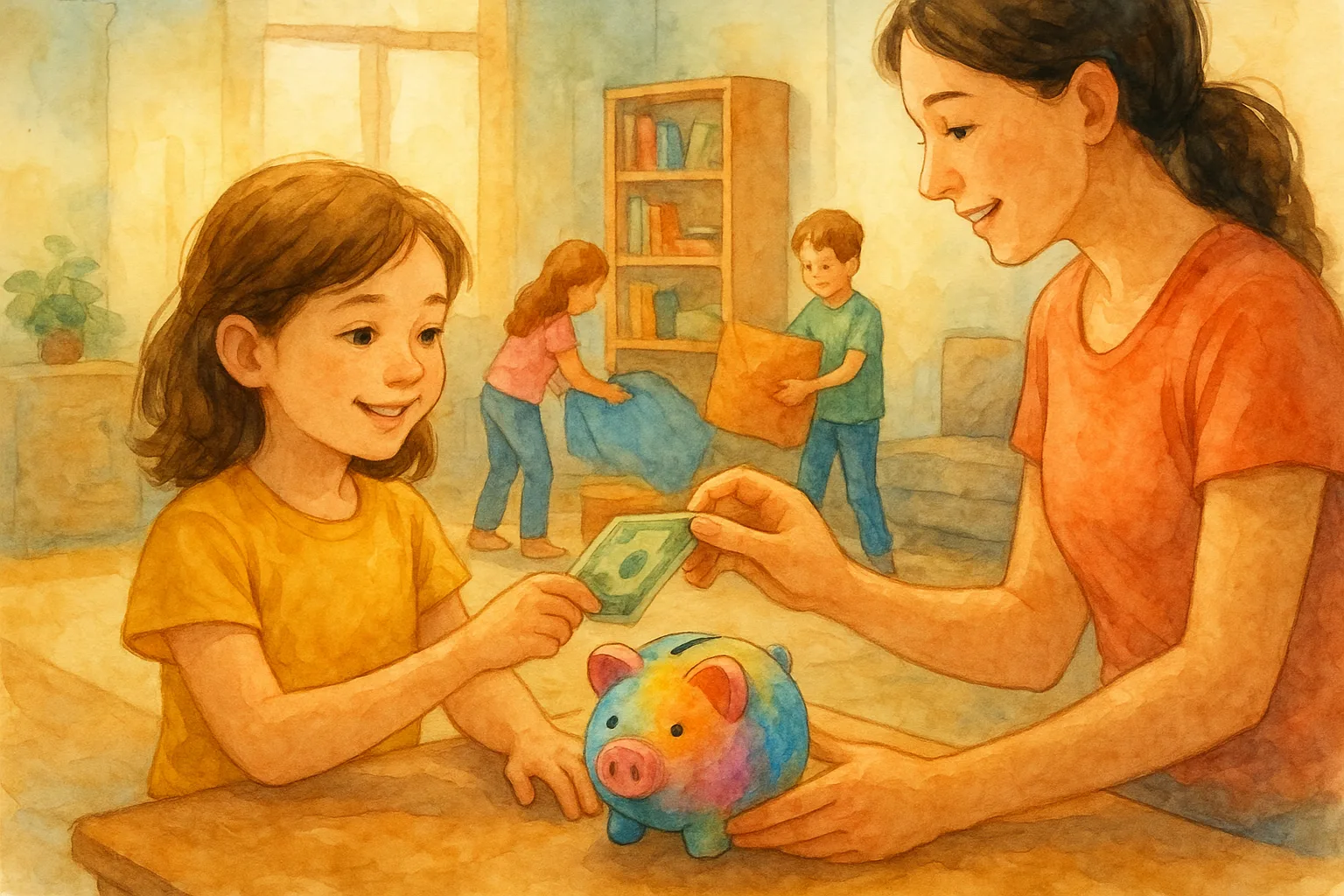
Saving can be made fun! You can start by giving your child a piggy bank or a clear jar to keep their savings visible. Here’s how to introduce saving:
- Set a savings goal: Help your child decide what they want to save for, like a toy or a book.
- Encourage regular saving: Suggest they put aside a portion of their allowance or any money they receive.
- Celebrate milestones: When they reach their savings goal, celebrate their achievement!
3. Teach Budgeting Basics
Budgeting doesn’t have to be complicated. Teach your child to plan their spending by creating a simple budget. Here’s how:
- Start with a monthly allowance: Give them a set amount of money each month.
- List out expenses: Help them list things they want to spend money on (like snacks, toys, etc.).
- Track spending: Encourage them to keep track of their spending to see how much they have left.
This process teaches them to think ahead about their finances.
4. Use Games to Teach Money Skills
Games are a fun way to teach kids about money. There are many board games, card games, and online games that focus on money management. Some popular options include:
- Monopoly
- The Game of Life
- Online budgeting games
These games simulate real-life financial decisions, helping kids learn while having fun.
Common Myths About Teaching Kids Money Management
Myth 1: Kids Are Too Young to Learn About Money
Many parents believe that money lessons are only for older kids. However, even young children can understand basic concepts like saving and spending.
Myth 2: Money Management Is Too Complicated
It might seem that teaching money management is complex, but it can be broken down into simple ideas. Start with basic concepts and build from there.
Myth 3: Kids Will Just Learn by Watching
While kids do learn by observing, they need guidance to understand the lessons behind what they see. Actively involving them in discussions about money will enhance their learning.
Conclusion
Teaching kids about money is an ongoing process that can be fun and rewarding. By using everyday situations, encouraging saving, introducing budgeting, and playing games, you can help your child build a strong foundation for their financial future. Remember, it’s never too early to start these important lessons!
This article provides general educational information only and is not financial advice. Always seek guidance from a qualified professional for personal financial decisions.
Previous: Helping Kids See the Difference Between Work and Responsibility
Next: Encouraging Kids to Try Creative Ways of Earning Money