
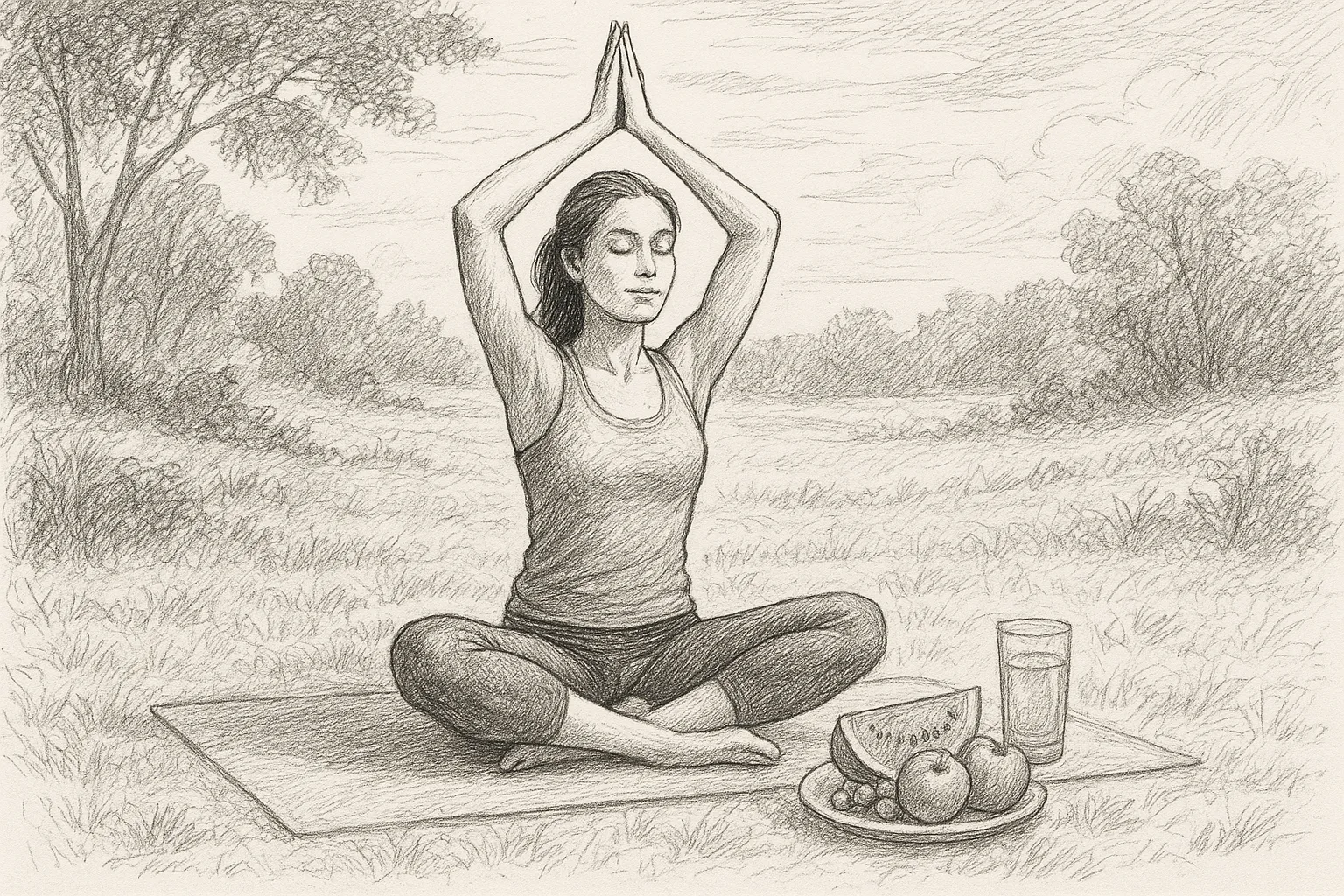
Introduction to Sustainable Healthy Habits
We often hear about quick fixes or drastic changes for better health, but the truth is that sustainable habits are what truly make a difference. Small, consistent actions can lead to meaningful improvements in wellbeing over time without overwhelming your daily routine. Whether you want to feel more energetic, improve sleep, manage stress, or simply enjoy a healthier lifestyle, building sustainable habits is key.
Why Focus on Sustainable Habits?
Many people start new health routines with enthusiasm but struggle to maintain them. This often happens because changes are too drastic, unrealistic, or don’t fit with everyday life. Sustainable habits are practical and flexible. They respect your individual needs and lifestyle, making it easier to keep going long term.
Benefits of Sustainable Habits
- Long-lasting impact: Small daily actions add up to big benefits over weeks and months.
- Less overwhelm: Gentle changes feel manageable and less stressful.
- Flexibility: Habits can adapt to your life’s ups and downs.
- Improved confidence: Success with small steps builds motivation for more positive changes.
Step-by-Step Tips to Build Healthy Habits
Here are practical steps to help you create habits that stick.
1. Start Small and Simple
Choose one habit that feels achievable. Instead of aiming to exercise for an hour daily, begin with a 5-minute walk or a few stretches. Small victories build confidence and momentum.
2. Be Specific
Clear goals help. Instead of “eat healthier,” try “include one piece of fruit with breakfast.” Specific actions are easier to remember and track.
3. Link to Existing Routines
Attach your new habit to something you already do. For example, practice deep breathing while waiting for your morning tea to brew. This association creates natural reminders.
4. Use Reminders and Triggers
Set alarms, sticky notes, or phone alerts if needed. Visual cues can gently prompt you without pressure.
5. Track Your Progress
Keep a simple journal or app record. Seeing progress, even small, encourages continued effort.
6. Prepare for Challenges
Plan how to handle days when motivation dips or unexpected events disrupt routines. Flexibility helps you return to habits without guilt.
7. Celebrate Successes
Recognise your efforts regularly. Positive reinforcement supports habit formation.
Examples of Sustainable Healthy Habits
- Movement: Take short walks, use the stairs, or do light stretching during breaks.
- Nutrition: Add more vegetables to one meal a day or swap sugary drinks for water.
- Sleep: Set a consistent bedtime and limit screens an hour before sleep.
- Stress Management: Practice mindfulness for 2–3 minutes daily or try simple breathing exercises.
- Social Connection: Reach out to a friend or family member regularly for support and connection.
Common Myths About Healthy Habits
There are many misconceptions that can make starting healthy habits feel harder. Let’s clear up a few.
Myth 1: Healthy Habits Have to Be Perfect
Perfection is unrealistic and unnecessary. Progress matters more than perfection. Missing a day or having a setback is normal and doesn’t mean failure.
Myth 2: You Need Lots of Time
Even a few minutes daily can make a difference. Consistency is more important than duration.
Myth 3: Healthy Habits Must Be Boring or Restrictive
Healthy habits can be enjoyable and adapted to your tastes and preferences. Find activities and foods you like.
Myth 4: Change Happens Fast
Building habits takes time, often weeks or months. Patience helps you stay motivated.
Tips for Staying Motivated
- Focus on how you feel: Notice improvements in mood, energy, or sleep rather than just numbers on a scale.
- Be kind to yourself: Celebrate small wins and avoid negative self-talk.
- Mix it up: Try new activities or recipes to keep things interesting.
- Find support: Share goals with a friend or join a community group.
Conclusion
Building sustainable healthy habits is about making small, manageable changes that fit your life and bring lasting benefits. Start with simple, specific goals and be gentle with yourself along the way. Remember, consistency beats perfection, and every positive step counts. By focusing on what you can realistically maintain, you’re setting yourself up for improved wellbeing and greater enjoyment in everyday life.
This article provides general educational information only and is not a substitute for professional medical advice. Always consult a qualified healthcare professional for personal guidance.