
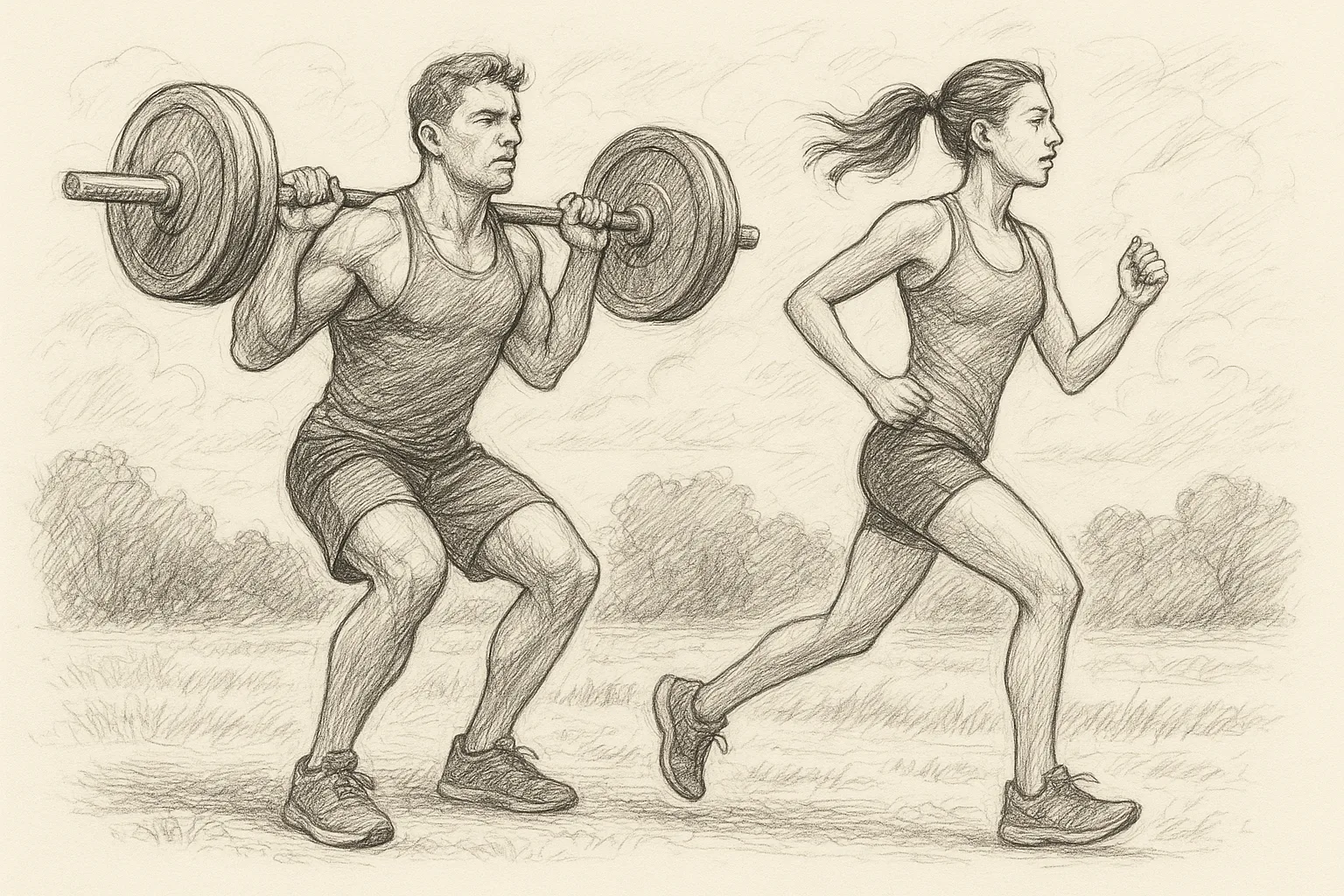
Why Combine Strength Training with Cardio?
When it comes to fitness, many people wonder whether to focus on strength training or cardio. The good news is you don’t have to choose. Combining both can create a balanced routine that supports your overall health, improves heart health, builds muscle, and helps with weight management.
Strength training boosts muscle strength and bone density, while cardio improves your heart and lung fitness. Together, they complement each other for better energy, endurance, and wellbeing.
Getting Started: How to Combine Strength and Cardio
Here are some simple, sustainable steps to help you include both forms of exercise in your weekly routine:
1. Plan Your Week
- Schedule at least 2 strength training sessions: Focus on all major muscle groups, such as legs, back, chest, and core. Each session can last 20–45 minutes depending on your fitness level.
- Include 2–3 cardio sessions: Choose activities you enjoy, such as brisk walking, cycling, swimming, or jogging. Aim for 20–40 minutes each time.
- Rest days: Allow yourself 1–2 rest or active recovery days to prevent burnout and support muscle repair.
2. Choose the Right Cardio Intensity
Cardio doesn’t always mean pushing to your maximum effort. You can mix lower-intensity steady-state cardio with higher-intensity intervals for variety and effectiveness:
- Steady-state cardio: Maintaining a moderate pace that lets you talk comfortably, such as walking or light jogging.
- Interval training: Short bursts of higher intensity followed by recovery periods, like alternating fast walking and slow walking.
3. Combine in One Session or Separate Days
You can either do strength and cardio exercises on the same day or on different days based on your preferences and energy levels:
- Same day: Start with strength training when your muscles are fresh, followed by cardio. Keep sessions manageable to avoid fatigue.
- Separate days: Alternate between cardio and strength days for focused energy on each type.
4. Use Compound Strength Exercises
Compound exercises engage multiple muscle groups at once, making your strength training more efficient. Examples include squats, lunges, push-ups, and rows. These moves also raise your heart rate, blending strength and cardio benefits.
5. Warm Up and Cool Down
Always start your sessions with a 5–10 minute warm-up such as light walking or dynamic stretches to prepare your body. Finish with cool-down stretches to improve flexibility and reduce muscle soreness.
Common Myths About Combining Strength and Cardio
Myth 1: “Cardio Will Stop You Gaining Muscle”
While excessive cardio combined with inadequate nutrition can limit muscle growth, doing moderate cardio alongside strength training usually supports better recovery and heart health without hindering muscle gains.
Myth 2: “Strength Training Makes You Bulky”
Building large muscles requires specific training and nutrition strategies. For most people, strength training tones muscles and improves function rather than creating bulk.
Myth 3: “You Should Only Do One Type of Exercise”
Focusing on just strength or cardio can lead to imbalances and boredom. Combining both keeps your routine balanced and enjoyable, which helps you stick with it long term.
Tips for Making It a Habit
- Start small: Begin with manageable sessions and gradually increase intensity and duration.
- Mix activities: Try different cardio and strength exercises to keep things interesting.
- Set realistic goals: Aim for progress, not perfection. Celebrate small wins along the way.
- Listen to your body: Rest when needed and adjust your plan if you feel overly tired or sore.
- Find a buddy: Exercising with a friend can boost motivation and enjoyment.
Sample Weekly Plan
- Monday: Strength training – full body
- Tuesday: Cardio – steady-state walking or cycling
- Wednesday: Rest or gentle stretching
- Thursday: Strength training – focus on upper body and core
- Friday: Interval cardio – alternating jogging and walking
- Saturday: Active recovery – light yoga or walking
- Sunday: Strength training – lower body focus
Conclusion
Combining strength training with cardio creates a well-rounded fitness routine that supports your overall health and wellbeing. By planning your sessions, mixing intensities, and listening to your body, you can build a sustainable habit that fits your lifestyle. Remember, the key is consistency and enjoyment—not perfection. Small, steady steps will lead to lasting benefits for your body and mind.
This article provides general educational information only and is not a substitute for professional medical advice. Always consult a qualified healthcare professional for personal guidance.