
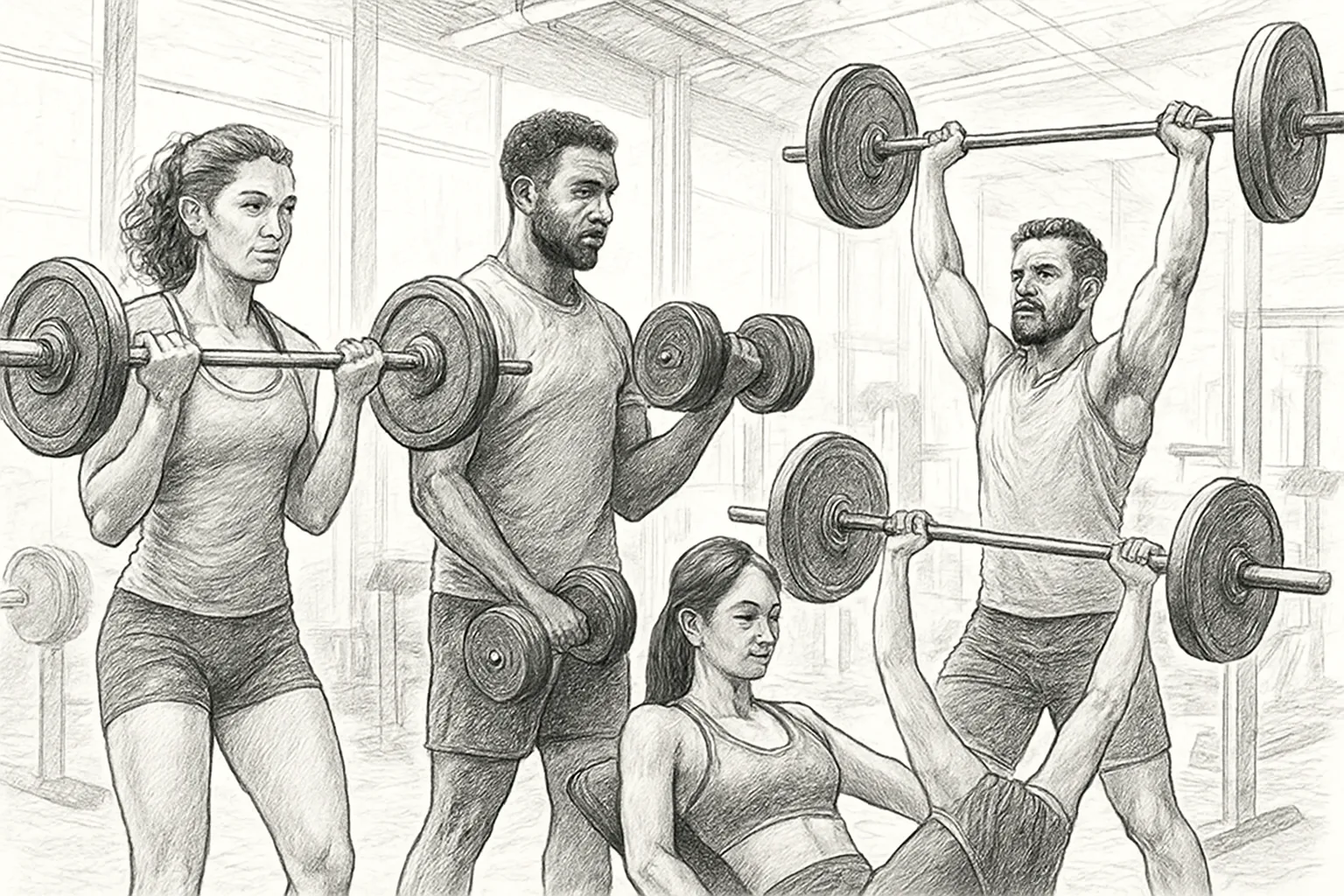
Why Strength Training Matters for Everyday Life
Strength training isn’t just for athletes or bodybuilders. It’s a powerful tool that can improve your quality of life no matter your age or fitness level. By focusing on building muscle and maintaining strength, you’ll find daily tasks easier, your energy levels higher, and your overall wellbeing enhanced.
From lifting groceries to climbing stairs, strong muscles support your body’s movements and reduce the risk of injury. Let’s explore the many benefits of strength training and how you can incorporate it sustainably into your routine.
The Benefits of Strength Training
1. Improved Functional Strength
Building muscle helps you perform everyday activities with greater ease and less fatigue. Whether it’s carrying shopping bags, gardening, or playing with children, strength training supports your body’s natural movements.
2. Better Bone Health
Strength training places safe stress on your bones, helping to maintain bone density and reduce the risk of osteoporosis as you age. This is especially important for maintaining independence and mobility.
3. Enhanced Metabolism and Weight Management
Muscle burns more calories than fat, even when you’re resting. By increasing muscle mass, you can support a healthy metabolism and manage your weight more effectively.
4. Improved Balance and Posture
Strong muscles help stabilise your body and improve posture, which can reduce the risk of falls and back pain. This is vital as we get older to maintain confidence and prevent injuries.
5. Mental Wellbeing
Exercise, including strength training, releases endorphins that lift your mood and reduce feelings of stress and anxiety. It can also boost your confidence and sense of achievement.
Getting Started: Simple Strength Training Tips
Starting strength training doesn’t mean you need fancy equipment or hours at the gym. Here are some practical steps to begin building strength safely and sustainably.
- Start with Bodyweight Exercises: Movements like squats, lunges, wall push-ups, and step-ups use your own bodyweight and are a great way to build foundational strength.
- Focus on Form: Proper technique reduces injury risk and makes exercises more effective. Consider watching trusted videos or seeking advice from a qualified instructor.
- Be Consistent: Aim to include strength exercises two to three times per week. Consistency over time is key to seeing benefits.
- Progress Gradually: As exercises feel easier, you can add resistance with light weights, resistance bands, or increase repetitions.
- Include All Major Muscle Groups: Target legs, arms, back, chest, shoulders, and core for balanced strength.
- Listen to Your Body: Some muscle soreness is normal, but avoid sharp pain. Rest when needed and adjust exercises as necessary.
Common Myths About Strength Training
It’s normal to have questions or concerns when starting something new. Let’s clear up a few common myths:
- Myth: Strength training will make you bulky. For most adults, especially women, building large muscles requires specific training and nutrition. Regular strength training helps tone and strengthen without excessive bulk.
- Myth: You have to lift heavy weights to benefit. Even light weights or bodyweight exercises improve strength and function, especially when done consistently.
- Myth: Strength training is only for young people. People of all ages can benefit. In fact, it’s especially important to maintain muscle as we age.
- Myth: Cardio is enough for fitness. While cardio is great for heart health, strength training adds benefits that cardio alone cannot provide, such as muscle maintenance and bone health.
Making Strength Training a Sustainable Habit
Building strength is a journey, not a sprint. Here are some tips to help make it a lasting part of your life:
- Set Realistic Goals: Focus on achievable, meaningful goals like improving energy or being able to carry shopping bags more easily.
- Schedule Workouts: Plan your sessions like appointments to help create a routine.
- Find Enjoyable Activities: Choose exercises you like, whether that’s dancing, gardening, or gentle resistance training.
- Track Your Progress: Keep a simple journal or app note of what you do and how you feel to stay motivated.
- Buddy Up: Exercising with a friend can boost accountability and make it more fun.
- Be Patient and Kind to Yourself: Progress can be gradual. Celebrate small wins and don’t get discouraged by setbacks.
Conclusion
Strength training is a practical and empowering way to enhance your everyday life. By building muscle and maintaining strength, you’ll find daily activities easier, reduce your risk of injury, and enjoy better overall wellbeing. Remember, it’s never too late to start, and even small, consistent efforts can lead to meaningful improvements. Keep your approach balanced, listen to your body, and focus on sustainable habits that fit your lifestyle.
This article provides general educational information only and is not a substitute for professional medical advice. Always consult a qualified healthcare professional for personal guidance.