
Series: Finance for Kids
Phase 1: Money Basics & Mindset — Part 15 of 166
Teaching kids about financial responsibility is an important step in helping them develop good money habits. It can seem daunting, but with a little guidance and fun activities, you can make learning about money engaging and enjoyable. In this article, we will explore the basics of financial responsibility, share tips for teaching kids, and debunk some common myths.
What is Financial Responsibility?
Financial responsibility means understanding how to manage money wisely. It includes saving, spending, budgeting, and making informed choices. When kids learn these skills early on, they are better prepared to handle money when they grow up.
Step-by-Step Tips to Teach Kids Financial Responsibility
1. Start with the Basics
Begin by explaining what money is and how it is used. You can use everyday examples, like how we pay for groceries or toys. Emphasize that money is earned through work and that it has value.
2. Encourage Saving
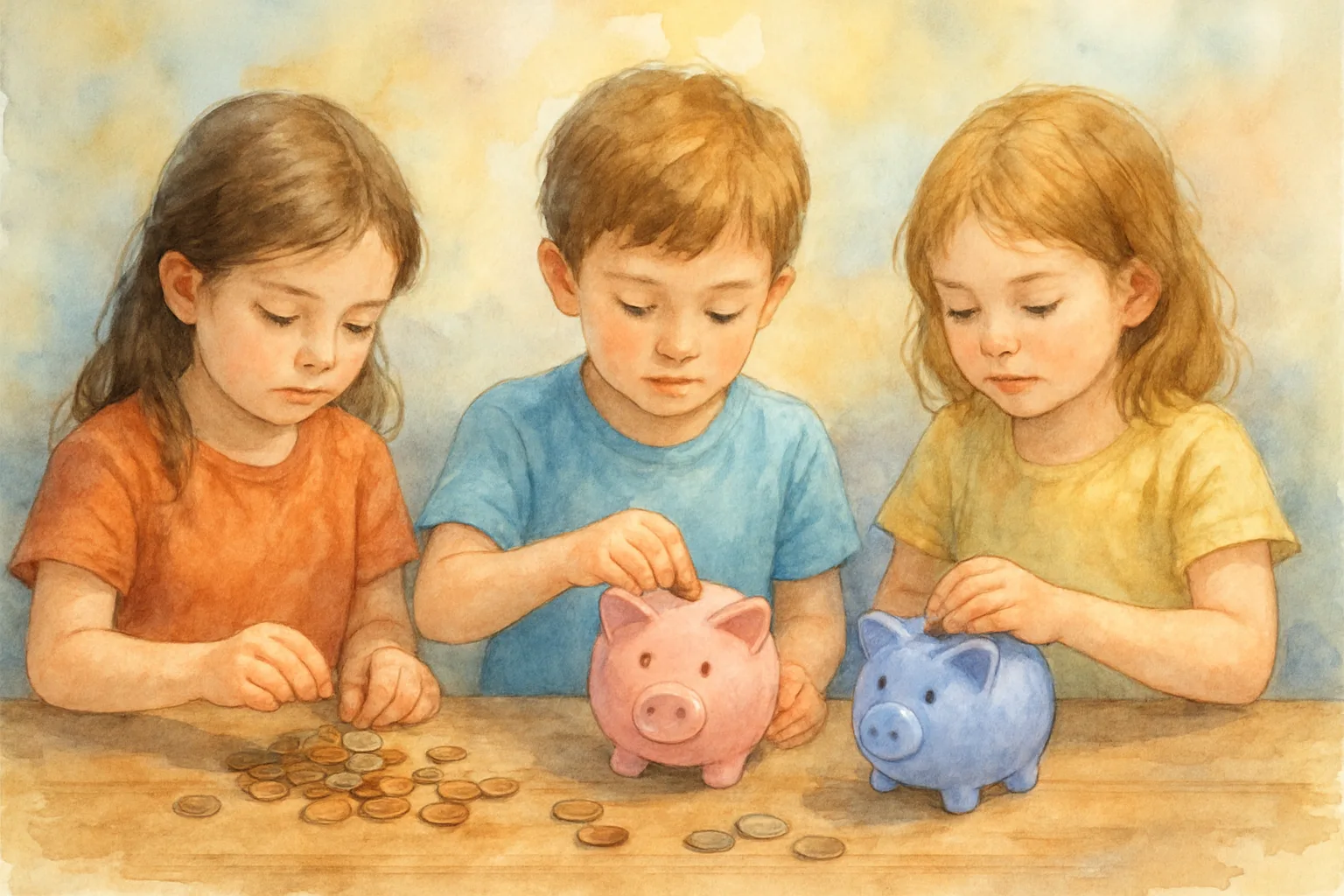
Teach kids the importance of saving money. You can help them set up a piggy bank or a savings jar. Encourage them to save a portion of their allowance or money they receive as gifts. You can even create a fun challenge, like saving for a specific toy or activity.
3. Introduce Budgeting
Once your child understands saving, introduce them to budgeting. You can start with a simple example, such as planning a small party. Help them list what they need, like snacks and decorations, and discuss how much money they need to spend. This will teach them to plan and keep track of their expenses.
4. Talk About Spending Wisely
Discuss the difference between needs and wants. Help them understand that while it’s okay to buy things they want, it’s essential to prioritise their needs first. You can create scenarios together, like choosing between a new toy and a book they need for school.
5. Make It Fun
Learning about money doesn’t have to be boring! Use games and activities to make it enjoyable. Board games like Monopoly or online games like the Cash Flow game can teach kids about money management while having fun. You can also create your own money-related games at home.
Common Myths About Money and Kids
- Myth 1: Kids are too young to learn about money.
- Fact: Children can grasp basic money concepts from a young age. The earlier they start, the better!
- Myth 2: Teaching kids about money is only for older children.
- Fact: Financial education can start as early as preschool, with simple concepts like counting and saving.
- Myth 3: Money is a taboo subject.
- Fact: Open conversations about money can help children feel more comfortable discussing it as they grow older.
Encouraging Positive Money Habits
As children learn about financial responsibility, it’s important to encourage them to develop positive money habits. You can do this by:
- Setting a good example yourself. Show them how you manage your money responsibly.
- Involving them in family financial decisions, like planning a budget for a family outing.
- Celebrating their achievements. If they reach a savings goal, make a big deal out of it!
Conclusion
Teaching kids about financial responsibility is a valuable gift that will last a lifetime. By starting early and making it fun, you can help them develop the skills they need to manage money wisely. Remember, the key is to have open conversations and encourage positive habits.
This article provides general educational information only and is not financial advice. Always seek guidance from a qualified professional for personal financial decisions.
Previous: Helping Children Understand the Value of Small, Daily Expenses
Next: How to Explain the Concept of “Money Doesn’t Grow on Trees”