
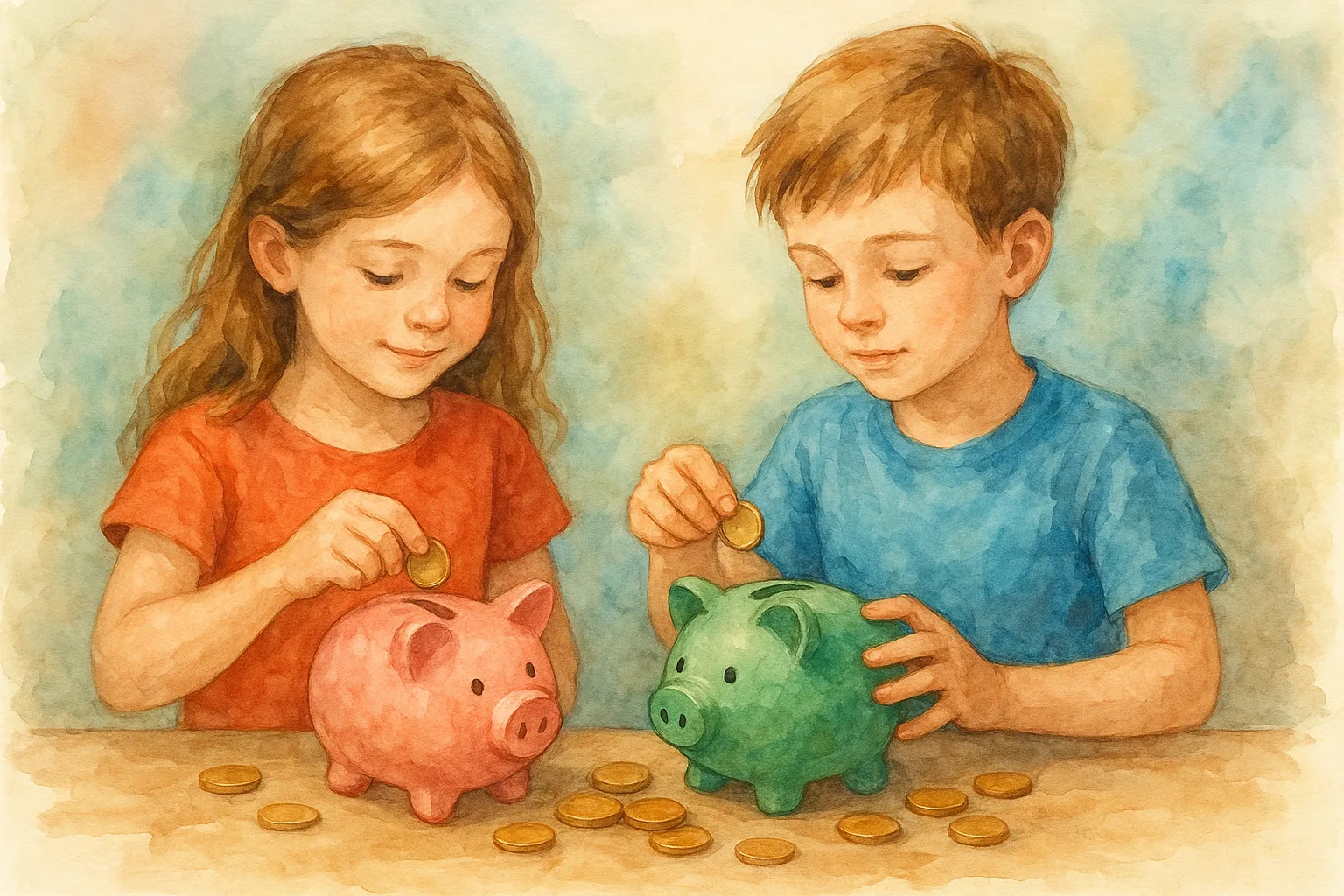
Teaching children about money can sometimes feel overwhelming. One essential lesson is understanding the value of small, daily expenses. These little purchases might seem minor, but they can add up quickly! In this article, we will explore how to help kids see the importance of these expenses and how to manage them wisely.
Why Small Expenses Matter
Small expenses are part of everyday life. From buying a snack to getting a toy, these costs can influence how we manage our money. Understanding how these small amounts add up can help children become more responsible with their spending.
Everyday Examples
Let’s look at some common small expenses that children might encounter:
- A sweet treat from a shop
- A new game app on a tablet
- A small toy or trinket
- A drink while out with friends
Each time a child makes a purchase, they should think about how it fits into their budget. If they buy a snack every day for a week, it can quickly add up to a significant amount!
Step-by-Step Tips for Teaching Kids
Here are some simple steps to help children learn about small expenses:
- Start a Conversation: Discuss daily expenses openly. Ask them about things they like to buy and how often they purchase them.
- Introduce a Budget: Help them create a simple budget with their allowance or money they earn. Show them how to allocate some for savings and some for spending.
- Track Spending: Encourage them to keep a record of their small purchases. This can be done in a notebook or an app. Seeing their spending can help them understand where their money goes.
- Discuss Choices: When they want to buy something, discuss the choice. Ask questions like, “Do you really want this, or is there something else you would prefer?” This helps them think critically about their spending.
- Look for Alternatives: Teach them to compare prices and look for alternatives. For example, instead of buying a drink, could they bring one from home?
- Reflect on Spending: At the end of the week or month, sit down together and look at their spending. Ask them how they feel about their choices and if they would do anything differently.
Myths about Small Expenses
There are some common myths that can confuse children when it comes to spending:
- Myth 1: “Small purchases don’t matter.” Truth: Every penny counts! Small expenses can add up to a lot over time.
- Myth 2: “I can always spend more later.” Truth: It’s important to think ahead. Spending all at once can lead to regret.
- Myth 3: “Everyone else is buying it, so I should too.” Truth: It’s okay to say no. Making choices that suit your own needs is vital.
Encourage Saving
While it’s important for children to understand small expenses, it’s equally essential to teach them about saving. Encourage them to save a portion of their allowance or earnings. This way, they can learn the joy of saving for something special instead of making impulse purchases.
Conclusion
By helping children understand the value of small, daily expenses, we prepare them for a lifetime of wise money management. Open discussions, tracking spending, and making thoughtful choices are all part of this learning process. Remember, every small lesson counts!
This article provides general educational information only and is not financial advice. Always seek guidance from a qualified professional for personal financial decisions.
Previous: How Kids Can Track Their Spending Easily
Next: Teach Kids the Basics of Financial Responsibility