
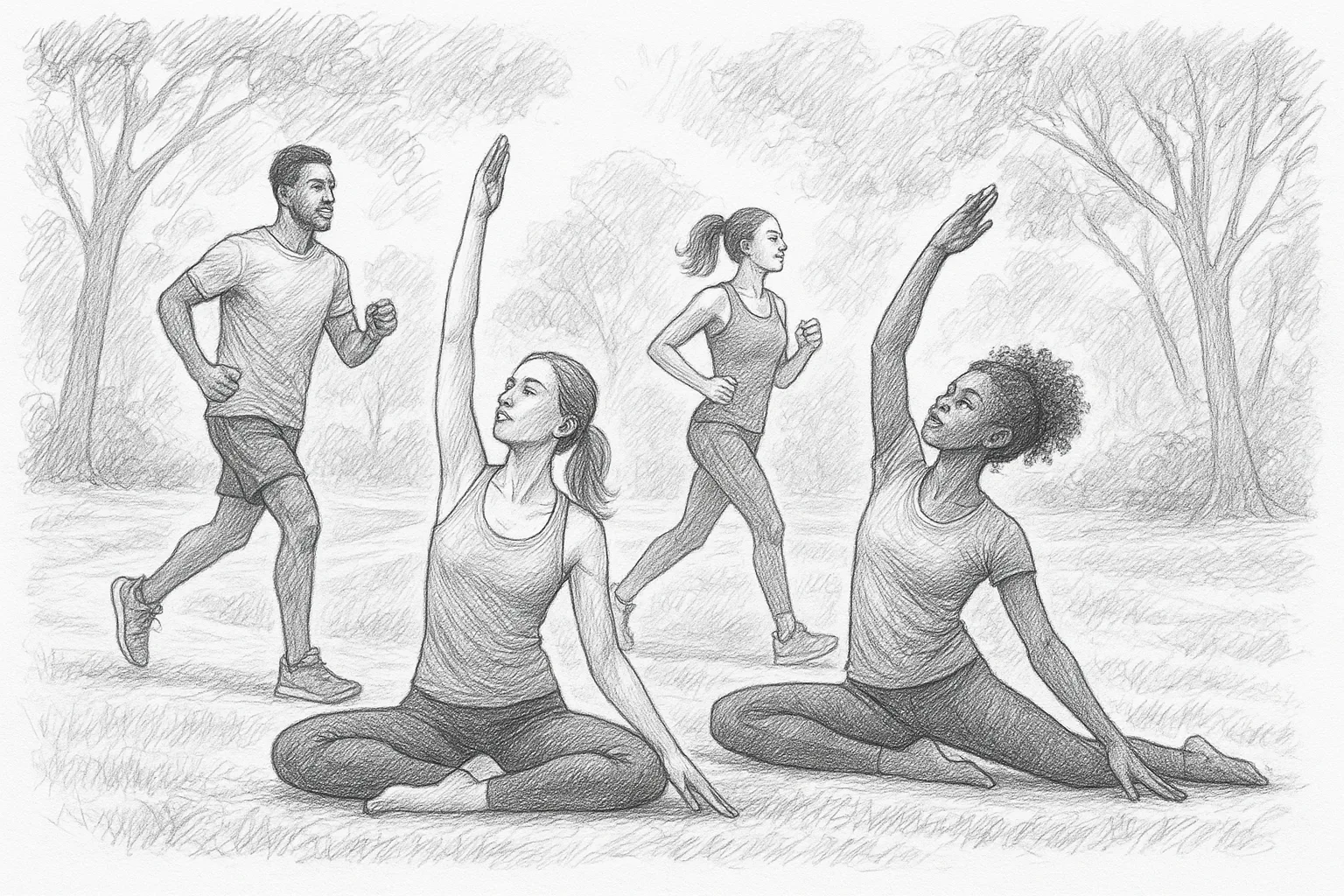
Regular movement is one of the simplest and most effective ways to support your overall wellbeing. It can improve your mood, energy levels, sleep, and even help manage stress. The great news is you don’t have to become a gym fanatic or run marathons to feel these benefits. Small, sustainable changes to your daily routine can make a big difference.
Why Movement Matters for Wellbeing
When we move our bodies, a host of positive things happen. Physical activity stimulates the release of endorphins, often called ‘feel-good’ hormones, which can lift your mood and reduce feelings of anxiety or depression. It also enhances blood flow, improving oxygen and nutrient delivery to your brain and muscles, which helps you feel more alert and energetic.
Movement can improve your sleep quality, making it easier to fall asleep and stay asleep. It also helps maintain a healthy weight, supports heart and lung health, and strengthens muscles and bones. Beyond the physical benefits, regular activity provides opportunities for social interaction and boosts confidence, contributing to a balanced and happy life.
Practical Steps to Include More Movement in Your Day
Incorporating more movement doesn’t have to be overwhelming. Here are some realistic, step-by-step ideas to help you get started and keep it up:
- Start Small: Begin with just 5 to 10 minutes of movement daily. This could be a gentle walk around your home or stretching exercises.
- Set Reminders: Use your phone or computer to remind you to stand up and move every hour, especially if you have a desk job.
- Make It Enjoyable: Choose activities you like, whether it’s dancing, gardening, or playing with pets. Enjoyment increases the likelihood you’ll keep going.
- Mix It Up: Combine different types of movement like walking, stretching, light strength exercises, or yoga to keep things interesting and well-rounded.
- Use Everyday Opportunities: Take the stairs instead of the lift, park a little further away, or do household chores at a quicker pace.
- Buddy Up: Invite a friend or family member to join you. Moving together can be motivating and fun.
- Track Progress Lightly: Keep a simple journal or use an app to note your activities. Celebrate small wins to stay motivated.
Common Myths About Movement Debunked
Sometimes misconceptions can hold us back from being active. Here are some common myths and the facts behind them:
- Myth: You need to exercise hard to benefit.
Fact: Even light to moderate movement counts and can improve wellbeing. Consistency matters more than intensity. - Myth: If you miss a day, you’ve wasted all your progress.
Fact: Movement is about regular habits over time. Missing a day is normal and doesn’t erase benefits. - Myth: You have to go to a gym or buy expensive equipment.
Fact: Many effective movements need no special gear. Walking, stretching, and bodyweight exercises work well. - Myth: Movement is only for weight loss.
Fact: While it can help with weight management, movement also supports mental health, sleep, and overall vitality.
How to Stay Motivated and Make Movement a Habit
Building a lasting movement habit can be easier with a few strategies:
- Link Movement to Daily Routines: Attach a movement activity to an existing habit, like stretching after brushing your teeth.
- Set Realistic Goals: Aim for achievable targets, such as a daily 10-minute walk, rather than overly ambitious plans.
- Celebrate Consistency: Focus on how often you move rather than how intensely, and reward yourself for sticking with it.
- Be Kind to Yourself: Some days will be harder than others. It’s okay to do less or rest—balance is key.
- Keep Variety in Your Activities: This prevents boredom and challenges different parts of your body and mind.
Simple Movement Ideas to Try Today
Here are easy ways to add movement without needing a big time commitment:
- Take a brisk 10-minute walk around your neighbourhood.
- Do gentle stretches or yoga poses first thing in the morning.
- Stand up and march on the spot during TV adverts.
- Use a timer to remind you to stand and move every hour.
- Try light strength exercises like wall push-ups or sit-to-stands from a chair.
- Dance to your favourite song in your living room.
- Garden or do light housework at a steady pace.
Conclusion
Regular movement is a cornerstone of good wellbeing, offering benefits for both body and mind. By focusing on sustainable, enjoyable habits and dispelling common myths, you can create a positive routine that supports your health over the long term. Remember, every bit of movement counts, and starting small is perfectly fine. Listen to your body, be patient with yourself, and celebrate your progress. Movement is for everyone, and the best time to start is now.
This article provides general educational information only and is not a substitute for professional medical advice. Always consult a qualified healthcare professional for personal guidance.